
Ask ten Bloomington homeowners what a garage door repair costs and you will get ten different answers, and most of them will be at least partly right. A spring replacement on a standard single door is a completely different job from an opener motor swap on a heavy insulated double door, and Minnesota winters add their own surcharges in the form of rust, frozen seals, and hardware that has spent a decade cycling between minus 20 and 90 degrees. This guide breaks down what actually drives garage door repair pricing in Bloomington, MN, what national industry data says typical ranges look like, and how to read a quote with confidence.
A note on the numbers below: every price range in this guide is labeled as national industry data from published cost guides, not a quote from any specific company. Real pricing depends on your door, and any honest number comes from an on-site look, not a blog post.
Why Garage Door Repair Pricing Varies So Much
Garage doors look simple from the driveway, but they are counterbalanced mechanical systems where every component is sized to the door's weight. Change the weight, the size, the spring type, or the opener model, and you change the parts, the labor time, and the price. The main variables are the specific failed part, the door's size and weight, the age and parts availability, and the timing of the service call. Understanding these four variables explains nearly all price differences between two seemingly similar jobs.
National Cost Ranges by Repair Type
The table below summarizes typical national ranges reported by industry cost guides (ConsumerAffairs' 2025 survey of U.S. garage door companies and other published national cost guides). These are national figures for professionally installed work, not quotes, and Midwest pricing often lands near the middle of these bands.
Typical national ranges:
Spring replacement (torsion, both springs): $150 to $350
Spring replacement (extension, pair): $120 to $200
Cable replacement: $150 to $200
Roller replacement (full set): $100 to $200
Track repair or realignment: $125 to $300
Safety sensor replacement: $75 to $150
Garage door opener repair: $150 to $350
Garage door opener replacement (installed): $300 to $600
Single panel/section replacement: $300 to $800
Full garage door replacement (installed): $800 to $4,000+
Notice how wide the full-replacement band is. That is because "replacement" spans everything from a basic non-insulated steel door to a custom insulated carriage-style door with windows and high-end hardware. The rest of this guide unpacks each category.
Spring Replacement: The Most Common Repair
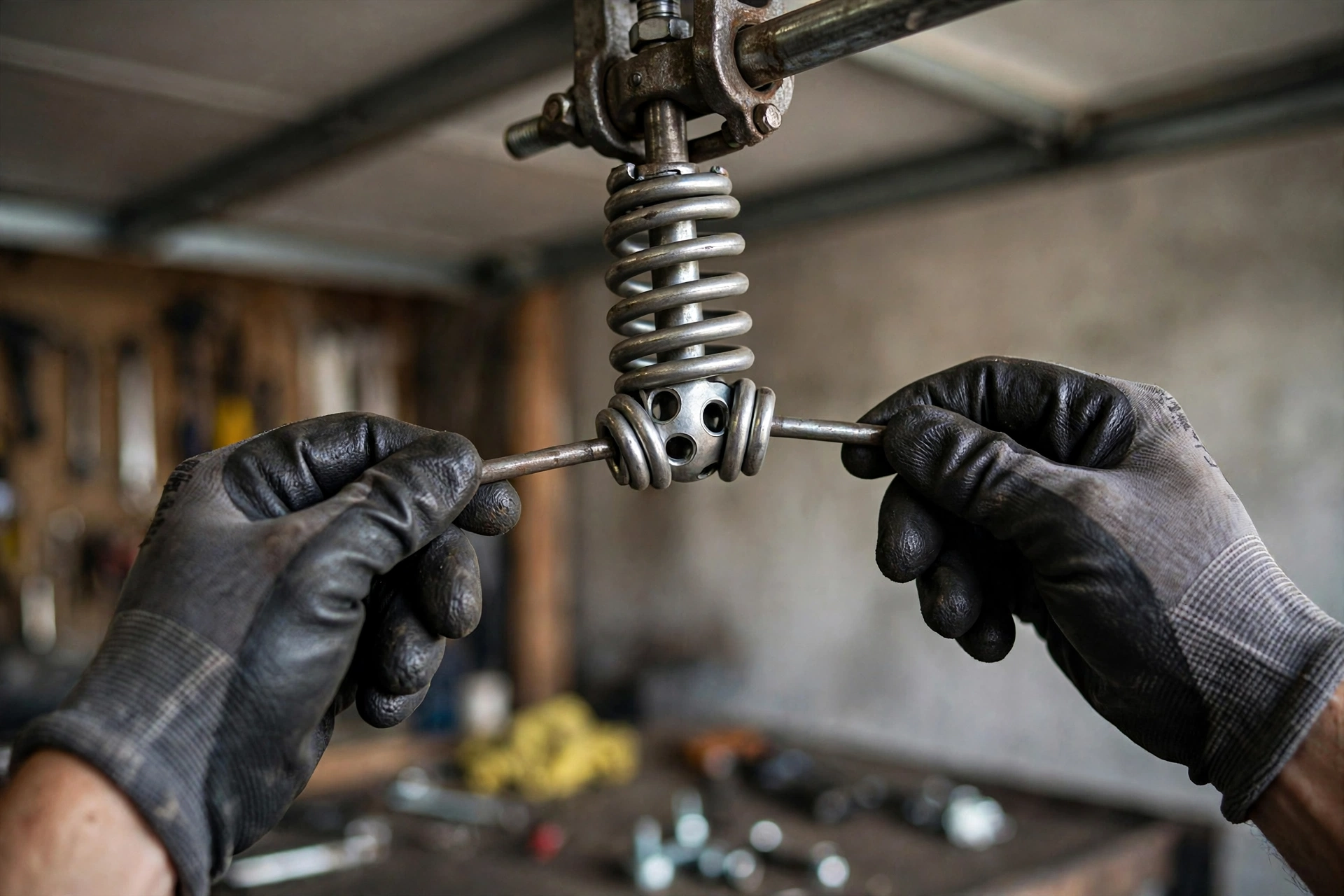
Broken springs are the single most common garage door repair call, and in Minnesota they fail disproportionately in late winter and early spring. Cold makes steel more brittle, and a spring that has been cycling for 7 to 10 years (the typical lifespan of a standard 10,000-cycle spring) often lets go during the coldest stretch. The classic symptom is a loud bang from the garage followed by a door that will not lift, or lifts only a few inches before stopping.
Nationally, replacing a pair of torsion springs (the coiled springs mounted on a shaft above the door) typically runs $150 to $350 including parts and labor, according to published national cost data. Extension springs (the side-mounted type found on older doors) typically run $120 to $200 for the pair. ConsumerAffairs' survey of 18 U.S. garage door companies found an overall average between $160 and $350 including labor, which generally accounts for $75 to $150 of the total.
Several factors push spring jobs above the national midpoint. Heavier insulated doors need higher-cycle or larger-diameter springs. Double-wide doors sometimes need a dual-spring setup. And if a broken spring took the cables with it (common, since cables unwind violently when tension releases), cable replacement adds to the bill. A reputable technician will show you the broken spring and explain the cycle rating of the replacement, since a higher-cycle spring costs a bit more upfront but lasts years longer.
Opener Repair vs. Opener Replacement
Opener issues divide into two buckets: the opener itself (motor, gears, circuit board) and everything the opener connects to (sensors, remotes, keypads, wiring). Sensor realignment or replacement is a small job, typically $75 to $150 nationally. Gear and sprocket replacement inside the motor unit runs higher because it involves opening the housing and re-timing the mechanism.
When the motor itself is dead, replacement usually makes more sense than a motor rebuild. Nationally, a new opener installed typically costs $300 to $600 depending on the drive type and features. Chain-drive units sit at the lower end, belt-drive units (quieter, popular for attached garages with bedrooms above) cost more, and wall-mounted jackshaft openers are the premium option. If your opener is more than 12 to 15 years old, lacks modern safety sensors, or uses a fixed-code remote, replacement also buys you current safety and security standards, which is worth factoring into the math.
Cables, Rollers, and Tracks: The Supporting Cast
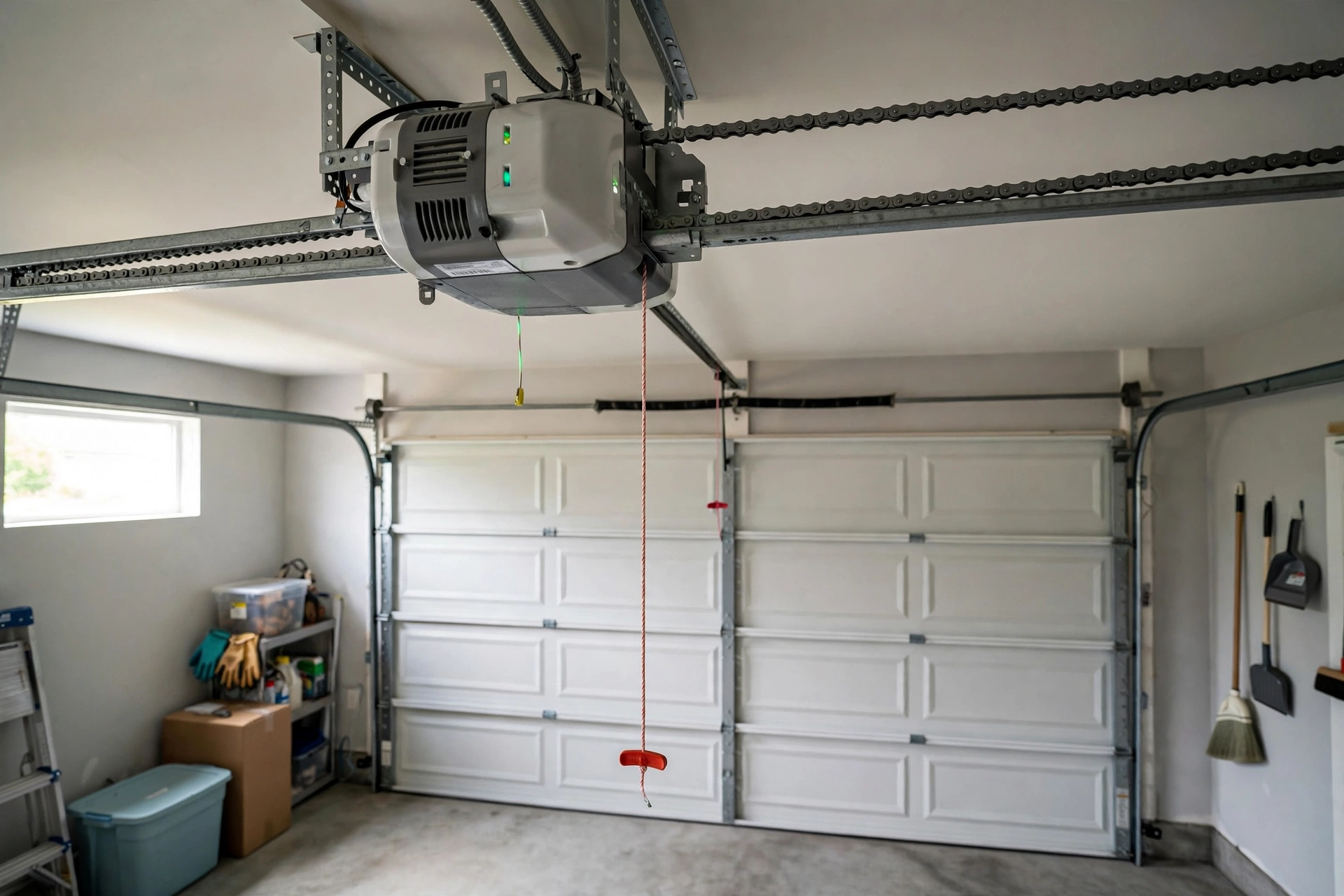
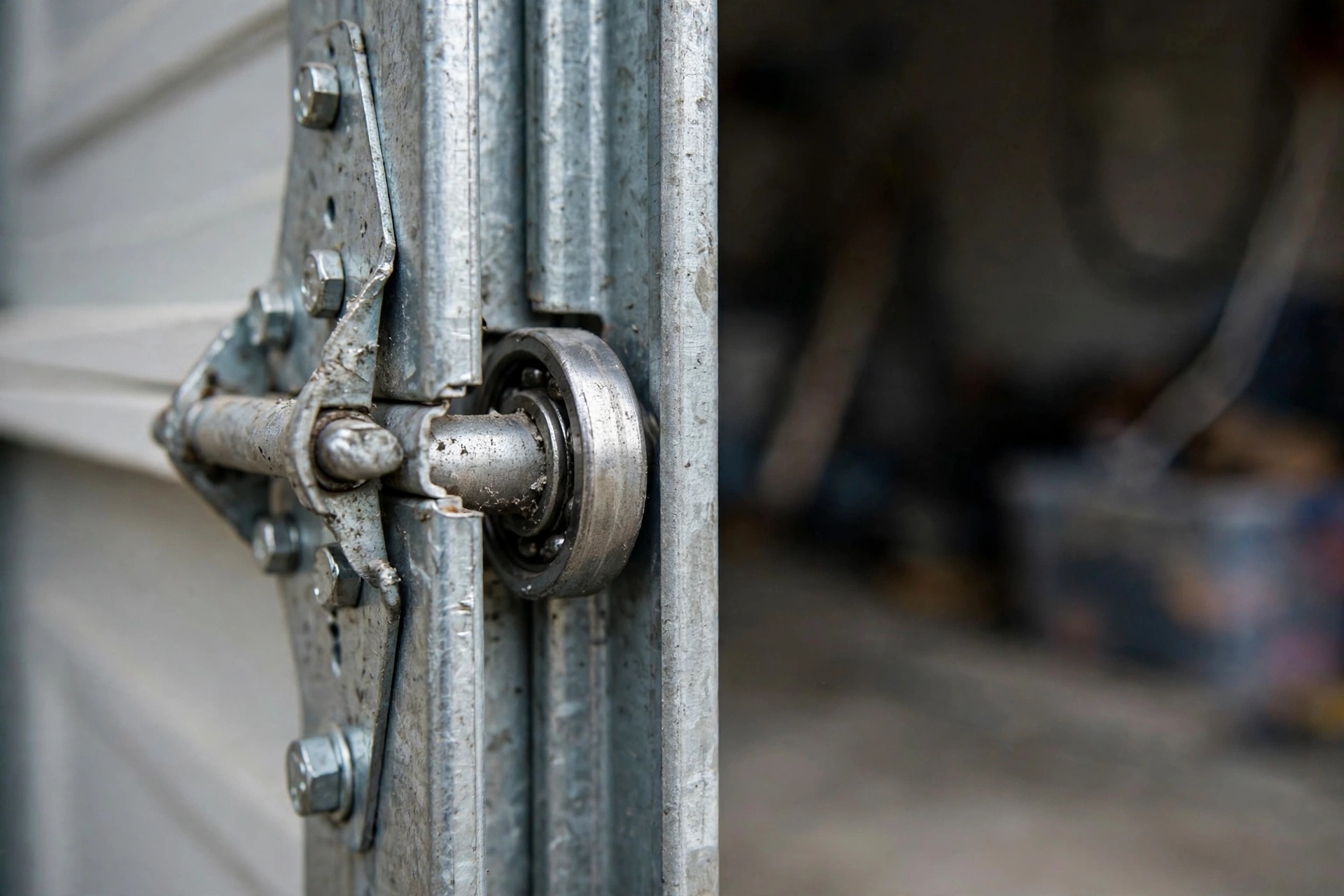
Cables, rollers, and tracks rarely fail on their own in dramatic fashion. They wear gradually, and their failure usually announces itself as noise, jerky movement, or a door that sits crooked. Cable replacement nationally runs about $150 to $200. Full roller replacement (all 10 to 12 rollers on a standard door) typically runs $100 to $200, with nylon rollers costing more than steel but running noticeably quieter. Track realignment or section replacement typically runs $125 to $300 depending on whether the track is bent, rusted through, or just out of plumb.
In Bloomington, road salt is the quiet enemy of this hardware. Salt mist from the driveway works its way onto bottom brackets, cables, and the lower track sections, accelerating corrosion. Stainless or galvanized hardware and a yearly wipe-down of the lower track area meaningfully extend the life of these components. When a technician recommends replacing cables along with springs, it is usually because the cables show fraying or rust, and doing both in one visit saves a second service call later.
Panel and Section Damage
A single dented or rotted section does not always mean a new door. If the manufacturer still produces your door model and the damage is limited to one or two sections, section replacement nationally runs $300 to $800 per section including labor. The catch is availability: doors older than about 15 years often use panel profiles that are no longer manufactured, and a mismatched section looks worse than the dent it replaced. Fading is another issue, since a new section will not match a sun-faded door, which matters on the street-facing side.
Bottom sections fail first in Minnesota because they sit in snowmelt and salt all winter. Steel bottom sections rust from the inside out, and wood or composite sections absorb moisture. If the bottom section is soft or rusted through, check the section above it too, since water wicks upward. When two or more sections need replacement on an older door, the math usually starts favoring a full replacement.
Real talk: most homeowners overestimate what a repair should cost and underestimate what a replacement costs, which is exactly backwards from how the math usually works out. Repairs are precision work with real parts and real labor; replacements benefit from factory-scale manufacturing. Neither is cheap, but both are cheaper than a door that fails dangerously.
Full Door Replacement Costs
A new residential garage door installed nationally ranges from roughly $800 for a basic non-insulated single door to $4,000 or more for an insulated double door with windows, decorative hardware, and a premium finish. The biggest cost drivers are insulation level, material, size, and design complexity. A triple-layer insulated steel door (steel, polyurethane foam, steel) costs substantially more than a single-layer non-insulated door, but in Minnesota the insulation question is not really optional for attached garages, which the next section covers.
Installation labor is a meaningful part of replacement cost because the job includes removing and disposing of the old door, installing new tracks, springs sized to the new door's weight, and setting up and testing the opener. Disposal fees for the old door and any opener upgrade are sometimes itemized separately, so ask what is included before comparing quotes.
When to Schedule Non-Urgent Work in Minnesota
Timing matters more in Bloomington than in most markets. Late fall, before the first sustained freeze, is the ideal window for preventive work: lubrication, balance checks, weather seal replacement, and roller upgrades. Technicians are generally less backlogged than during the January cold-snap rush, when broken springs and frozen doors fill every schedule, and you avoid paying emergency premiums for problems you could have caught in October.
There is also a materials argument for fall scheduling. Weather seals and bottom rubber seat better when installed in moderate temperatures, and lubricants applied before winter have time to work into rollers and hinges. If your door struggled last winter, dragging, reversing, or groaning on cold mornings, September and October are the months to address it. Waiting until the next deep freeze turns a maintenance visit into an emergency call.
Spring has its own logic. Freeze-thaw cycles are hard on concrete around the door opening, and the spring melt reveals the winter's salt damage on bottom hardware. A spring inspection after the thaw catches corrosion early, when a wire brush and rust inhibitor still solve the problem, rather than in July when the bracket has rusted through and needs replacement.
Understanding the Parts Behind the Price
It helps to know what you are actually paying for. A torsion spring is priced by wire size, inside diameter, and length, which together determine how much door weight it can counterbalance and for how many cycles. Standard springs are rated for about 10,000 cycles (one cycle is one open-close trip), while high-cycle springs rated for 20,000 or more cost more upfront but can double the service life. When a quote offers a spring upgrade, that is what the upcharge buys: years, not just a part.
Rollers follow a similar good-better-best ladder. Standard steel rollers are the cheapest and the loudest. Nylon-coated rollers cost more and run dramatically quieter, which matters if bedrooms sit above or beside the garage. Sealed-bearing nylon rollers are the premium tier and the longest lasting. Cables are sized to the door weight as well, and galvanized aircraft-grade cable is the standard you want to see. None of these are exotic parts, but the grade differences explain why two quotes for "roller replacement" can differ: one may quote basic steel, the other sealed nylon.
For openers, the price steps follow drive type and features. Chain drive is the workhorse: affordable, durable, and noisy. Belt drive costs more and runs much quieter, the right call for attached garages. Screw drive and direct-drive units occupy the middle and upper ranges, and wall-mounted jackshaft openers free up ceiling space at a premium price. Smart features (phone control, battery backup, integrated cameras) add to the unit cost but not much to the installation labor.
The Minnesota Insulation Factor
Bloomington sits in a climate where January overnight lows routinely drop below zero, and an attached garage shares at least one wall, often two, with conditioned living space. An uninsulated garage door in that setup is effectively a large, thin exterior wall with an R-value near zero. The U.S. Department of Energy's Energy Saver guidance notes that insulated garage doors reduce heat loss through the garage, which matters most when the garage is attached or when rooms sit above it.
Insulated doors are rated by R-value, with common residential options ranging from about R-6 to R-18. Higher R-values mean better thermal resistance, and polyurethane-injected doors achieve the highest ratings in the thinnest profile. When comparing replacement quotes in Bloomington, the R-value line item deserves as much attention as the price, because a cheaper low-R door can cost more in lost heat over its lifetime than the upfront savings. This is also why repair-vs-replace math in Minnesota tilts toward replacement sooner than it might in a mild climate: keeping a 20-year-old uninsulated door alive with repairs preserves an energy sieve.
Emergency and After-Hours Pricing
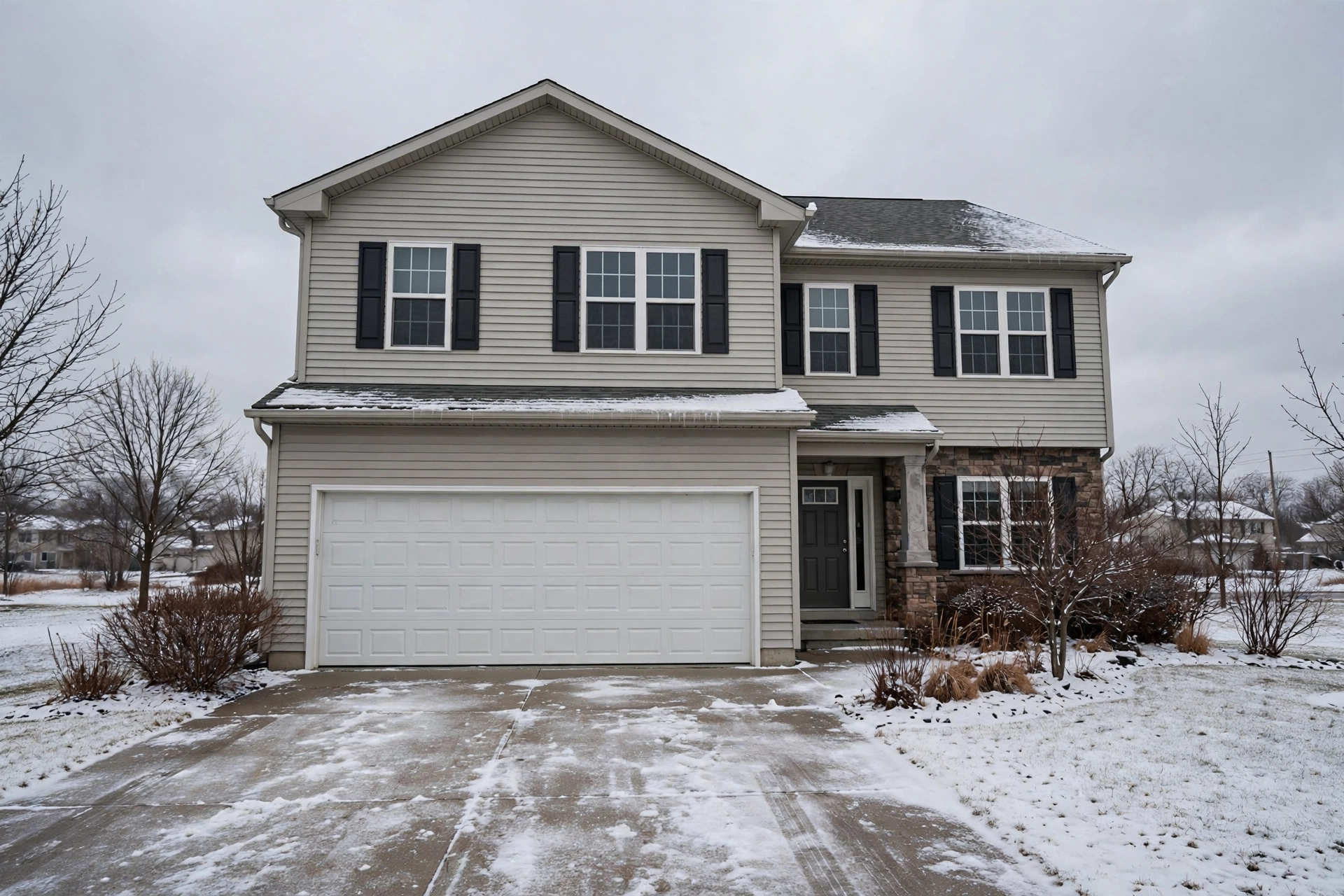
A door stuck open at 10 p.m. in January is not a next-week problem, and most companies price emergency calls accordingly. Nationally, after-hours or same-day emergency premiums vary widely, and some companies add a flat surcharge while others charge a higher hourly rate. The honest way to handle this is to ask before booking: "Is there an emergency or after-hours fee, and what exactly is it?" A company that answers directly is usually a company that bills fairly. Also confirm whether the emergency fee is waived or credited if you proceed with the repair, since some companies apply it toward the job.
How Quotes Should Work
A proper garage door quote follows a diagnosis, not a phone call. The technician should inspect the door, identify the failed component, check the related hardware (springs, cables, rollers, tracks, opener), and then give you a written number before touching a wrench. Be wary of firm prices quoted sight unseen, since the variables in this guide make phone quotes either guesses or padded worst-case numbers. When comparing multiple quotes, compare line items, not just totals: spring cycle rating, whether cables are included, roller type, warranty terms on parts and labor, and whether disposal is included.
Warranty terms deserve a close read. A spring warranty measured in years means little without knowing the cycle rating behind it, and a labor warranty shorter than the parts warranty can leave you paying for installation twice. Ask both questions and get both answers in writing.
Real talk: the cheapest quote is rarely the cheapest job. An undersized spring installed for twenty dollars less will fail years early, and you will pay for the whole visit again. The most expensive line item in garage door work is the one you pay twice.
Saving Money Without Cutting Corners
The legitimate ways to control cost are timing, maintenance, and scope discipline. Non-urgent repairs scheduled during normal hours avoid emergency premiums. Annual maintenance (lubrication, balance testing, hardware tightening, sensor checks) catches worn rollers and fraying cables before they cascade into bigger failures. And when a technician recommends additional work, asking "what happens if we don't do this now?" separates genuinely urgent items from preventive suggestions you can schedule later. What does not save money is deferring a broken spring (a door operated with a broken spring strains the opener and can damage panels) or hiring on price alone without checking what is actually included.
Quick Checklist Before You Call
A two-minute check before calling makes the visit faster and the quote more accurate. Note the door's approximate age, whether it is a single or double door, and whether it is insulated (knock on a panel: a hollow ring means single-layer steel, a dull thud suggests insulation). Listen for where the noise comes from, springs above the door versus rollers in the tracks tell very different stories. Check whether the opener still runs, and look at the sensor lights near the floor, since sensor issues are the cheapest fix on this entire list. Write down the symptoms in plain language before the technician arrives. Clear information up front means less diagnostic time, and diagnostic time is part of what you pay for.
Frequently Asked Questions
How much does garage door spring replacement cost in Bloomington, MN?
Nationally, industry cost guides report $150 to $350 for a torsion spring pair and $120 to $200 for extension springs, parts and labor included. Your actual price depends on door weight, spring cycle rating, and whether cables need replacement too. An on-site quote is the only way to get your number.
Is it cheaper to repair or replace a garage door opener?
Minor opener repairs (sensors, gears, remotes) are usually worth doing. If the motor itself has failed and the unit is over 12 years old, replacement (nationally $300 to $600 installed) is typically the better value, since it also brings current safety sensors and rolling-code security.
Why do garage door repairs cost more in winter?
Winter itself does not change the price of parts, but cold-related failures cluster together: brittle springs snap, seals freeze, and salt corrosion peaks. Emergency calls during cold snaps may also carry after-hours premiums. Scheduling non-urgent work in normal hours avoids the premium.
Should I get multiple quotes for a garage door repair?
For major work or full replacement, comparing two or three written quotes is smart. For a straightforward repair, one honest on-site diagnosis with a written, itemized quote is usually sufficient. Compare what is included (parts grade, warranty, disposal), not just the bottom line.
Does homeowner's insurance cover garage door repair?
Typically only when the damage comes from a covered event such as a storm, fallen tree, or vehicle impact. Wear and tear, spring fatigue, and mechanical failure are almost never covered. Check your policy's exclusions before assuming.
Can I replace a garage door spring myself to save money?
Torsion springs store enough energy to cause severe injury, and industry safety guidance from the Door & Access Systems Manufacturers Association consistently treats spring work as professional-only. The apparent savings disappear once you price proper winding bars, the correct spring, and the risk. This is the one garage door job that is genuinely not a DIY project.
The Bottom Line
Garage door repair costs what the failed part, the door's weight and size, and the timing dictate, and in Bloomington the climate adds its own chapter to the story. Use national ranges as a sanity check, insist on an on-site written quote, and weigh the door's age and insulation level before pouring repair money into a system that is telling you it is done. The right number is the one tied to your actual door, diagnosed in person, written down before work begins.
References
ConsumerAffairs. (2025). Cost to replace a garage door spring. https://www.consumeraffairs.com/homeowners/cost-to-replace-a-garage-door-spring.html
Door & Access Systems Manufacturers Association. (n.d.). Technical data sheets. https://www.dasma.com
International Door Association. (n.d.). Homeowner resources. https://www.doors.org
U.S. Department of Energy. (n.d.). Energy-efficient doors. Energy Saver. https://www.energy.gov/energysaver/doors-windows-and-skylights
Related services: Emergency garage door repair and garage door spring repair in Bloomington, MN.